



Beyond the Surface: Cultivating Trust and Visibility in the AI Era
Dermatology has entered a transformative moment. The days when clinics could rely on basic online listings or occasional social media posts are gone. In 2026, healthcare digital marketing is no longer a supplementary activity or a vanity exercise. It has become a critical strategic function that directly influences patient discovery, reputation, and growth.
More importantly, dermatology is a deeply personal field. Patients are not merely selecting a service. They are placing their skin health, confidence, and often their emotional wellbeing in the hands of a professional. This reality means dermatologists must communicate with more empathy, transparency, and authority than many other medical specialties. Their digital presence has to reflect real credibility, not just visibility.
This article lays out a modern roadmap for dermatologists who want to build trust, attract the right patients, and prepare their practices for a future shaped by AI-driven recommendations and increasingly informed public expectations.
Why Digital Marketing Must Be Specialized for Dermatology
Dermatology occupies a uniquely sensitive space in healthcare. While general marketing templates may work for retail, consulting, or even other medical fields, they often fall short when applied to skin care, medical dermatology, or cosmetic procedures. Patients researching dermatologists typically arrive with anxiety, curiosity, fear of embarrassment, or hope for visible transformation. They require clarity and reassurance over persuasion.
Dermatology consumers:
- Compare multiple providers before making contact.
- Research their symptoms thoroughly online.
- Seek visual evidence that builds confidence.
- Expect honesty about risks, results, and expectations.
- Value credentials, certifications, and patient experiences.
Generic messaging fails to meet these information needs. A dermatology practice must demonstrate depth, capability, professional ethics, and strong patient outcomes. When digital strategy becomes aligned with these realities, marketing stops feeling like marketing and becomes an extension of clinical care.
Pillar 1: Mastering Google Business Profile
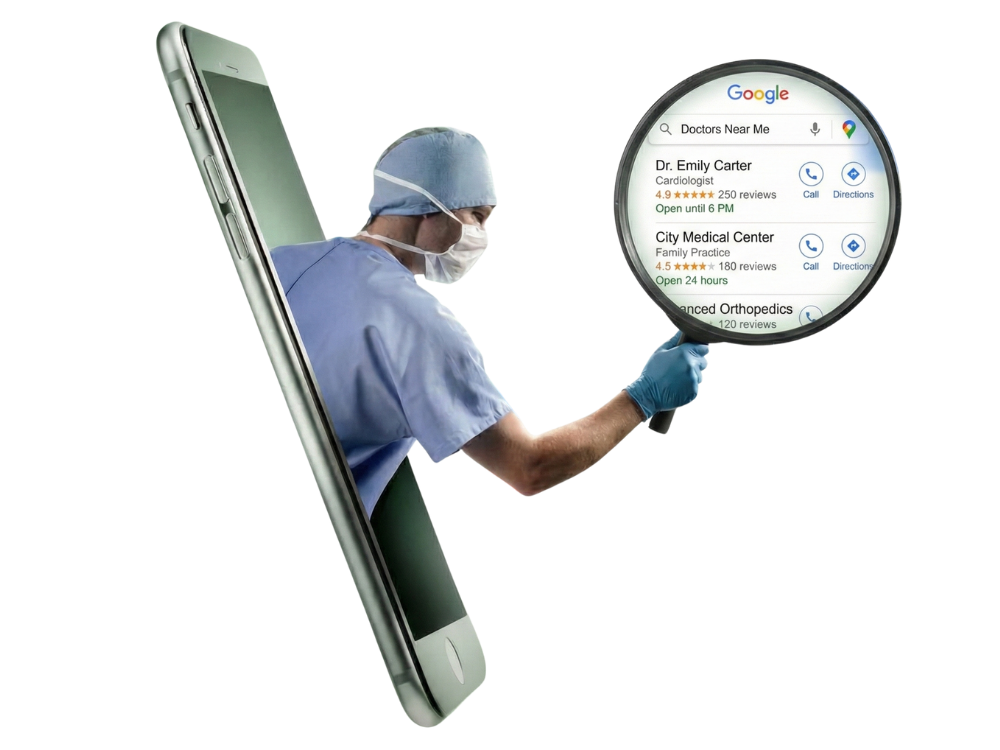
Google Business Profile (GBP) has become the first point of contact between dermatologists and potential patients. For many, this replaces a traditional homepage experience. A well-optimized profile improves search rankings, drives appointment intent, and communicates expertise instantly to patients who are actively evaluating providers.
1. Why Google Business Profile Matters
- It influences whether a clinic appears in high-value local search results.
- It allows prospective patients to assess credibility in seconds.
- It offers direct appointment pathways without browsing a website.
- It displays reviews, images, and service coverage in a structured, trusted format.
2. Essential Optimization Actions
A dermatologist must fully complete and actively manage GBP, not treat it as a static profile. This includes:
- Accurate name, address, phone number, working hours, and website.
- Category selection refined to the specialty levels available.
- Service listings that match real offerings.
- Professional business description that communicates expertise and mission.
3. Review Management
Patient reviews have become the dominant trust signal in dermatology. Positive ratings increase conversions, while unanswered criticism damages credibility.
A dermatologist should:
- Encourage authentic reviews from satisfied patients.
- Respond thoughtfully to all reviews.
- Move tense conversations offline.
- Look for repeated patterns in feedback to improve care processes.
Required Visual Assets
Dermatology decisions are highly visual by nature. Clinics must regularly upload:
- Exterior and interior clinic photographs.
- Team and doctor portraits.
- Before-and-after results with consent.
- Short educational or introductory videos.
Pillar 2: Website Design and SEO
A dermatologist’s website must operate as an authoritative, intuitive, and educational hub. It should not simply display services; it must earn trust, answer questions, and guide patients confidently toward booking a consultation.
Characteristics of a High-Performing Dermatology Website
- Clean, modern, medically responsible design.
- Fast page loading and mobile-first execution.
- Simple navigation that highlights key services.
- Compliant accessibility practices.
Content That Builds Trust
Dermatologists succeed online by transforming their websites into credible information resources. Visitors should be able to educate themselves meaningfully.
Content priorities include:
- Individual service pages for every treatment.
- Clarification between cosmetic and medical dermatology.
- FAQs addressing common procedural concerns.
- Doctor biographies that express credentials and care philosophy.
- A blog or resource library covering skin conditions, seasonal issues, and treatment explanations.
SEO Fundamentals
Search engine optimization should feel natural rather than forced. Search relevance comes from clarity, structure, and depth.
Key practices:
- Use specific, patient-oriented keywords such as acne treatment, pediatric dermatology, or Mohs surgery combined with location.
- Apply schema markup that classifies the practice, practitioners, services, and reviews.
- Strengthen internal linking between articles, service pages, and booking pages.
- Ensure every image includes descriptive alt text, especially before-and-after visuals.
Pillar 3: Getting Recommended by AI
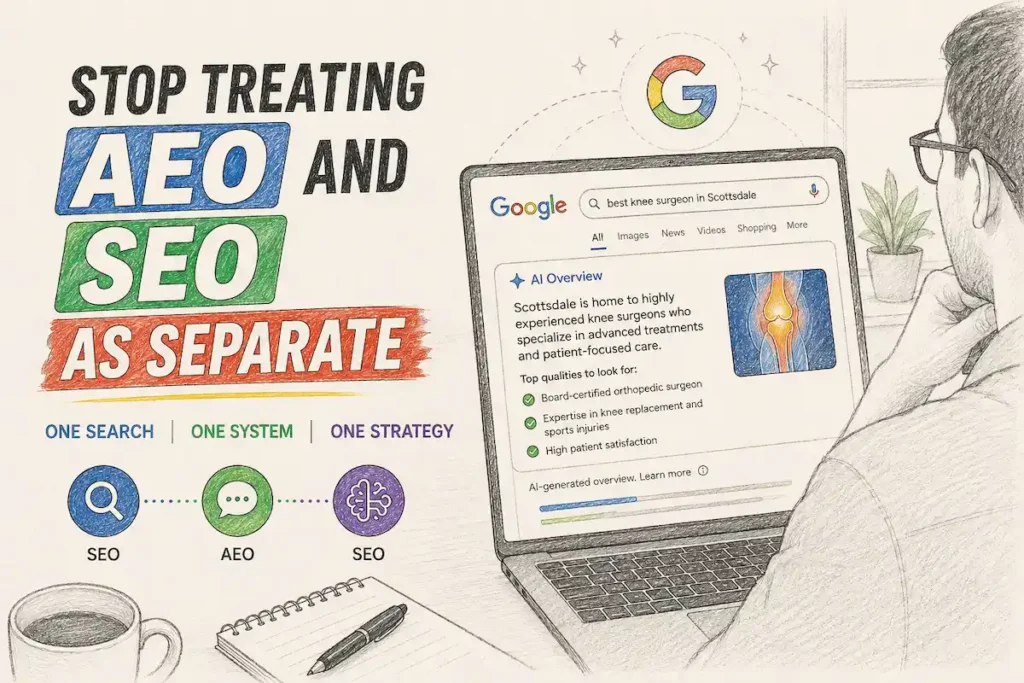
The most profound shift in 2026 digital marketing is that artificial intelligence, not only human judgment, is influencing patient pathways. From voice assistants to generative search engines, AI systems increasingly determine which providers appear first, which clinics are recommended, and which questions are answered.
Patients now ask:
- Which dermatologist treats acne scars in my area?
- Who is the most trusted clinic for mole screening?
- What is the closest dermatologist open today?
AI responses rely heavily on:
- Structured data
- Credible online footprints
- Local relevance signals
- Consistent information across platforms
Strategic Actions to Win AI Recommendations
- Maintain uniform NAP (name, address, phone) information everywhere.
- Build detailed service descriptions that mirror how patients speak.
- Publish clear, direct answers to questions commonly asked in voice search.
- Strengthen reputation signals across platforms beyond Google alone.
The Role of Schema Markup
Schema markup is a critical hidden layer of information that tells AI systems exactly what your practice offers.
Applicable schema types:
- MedicalOrganization
- Physician
- Dermatology
- Review and AggregateRating
- Service
- FAQPage
- Article
Providing this data simplifies an AI engine’s job and increases the likelihood of favorable placement in AI responses.
Summary Table: The Three Pillars
| Pillar | Core Actions | Primary Outcomes |
|---|---|---|
| Google Business Profile | Verify profile, optimize fields, upload images, post updates, manage reviews | Instant trust, improved local ranking, higher conversion from search results |
| Website and SEO | Professional design, deep service pages, patient education, internal linking, technical SEO | Strong authority, higher organic discovery, increased appointment requests |
| AI Readiness | Schema markup, voice-style content, consistent directory listings, cross-platform review strength | Eligibility for voice search, AI suggestions, and future automated referrals |
A Guiding Perspective
“Patients judge your expertise before you ever meet them, and most of that judgment now happens online. Trust is not claimed; it is earned through consistency, clarity, and care in every digital touchpoint.”
“Digital marketing for dermatology is not about shouting the loudest. It is about being the most helpful, the most transparent, and the most discoverable when a patient needs you.”
Conclusion
The dermatology landscape now rewards clinics that treat digital communication with the same seriousness and attention as clinical care. By mastering Google Business Profile, developing a strong patient-centered website, and aligning with AI-driven discovery systems, dermatologists can create a marketing ecosystem that is resilient, scalable, and deeply aligned with patient expectations.
Those who embrace these strategies will stop competing on visibility alone and begin competing on trust, clarity, intelligence, and authority. In 2026 and beyond, that is the foundation of a sustainable, growing, and respected dermatology practice.